
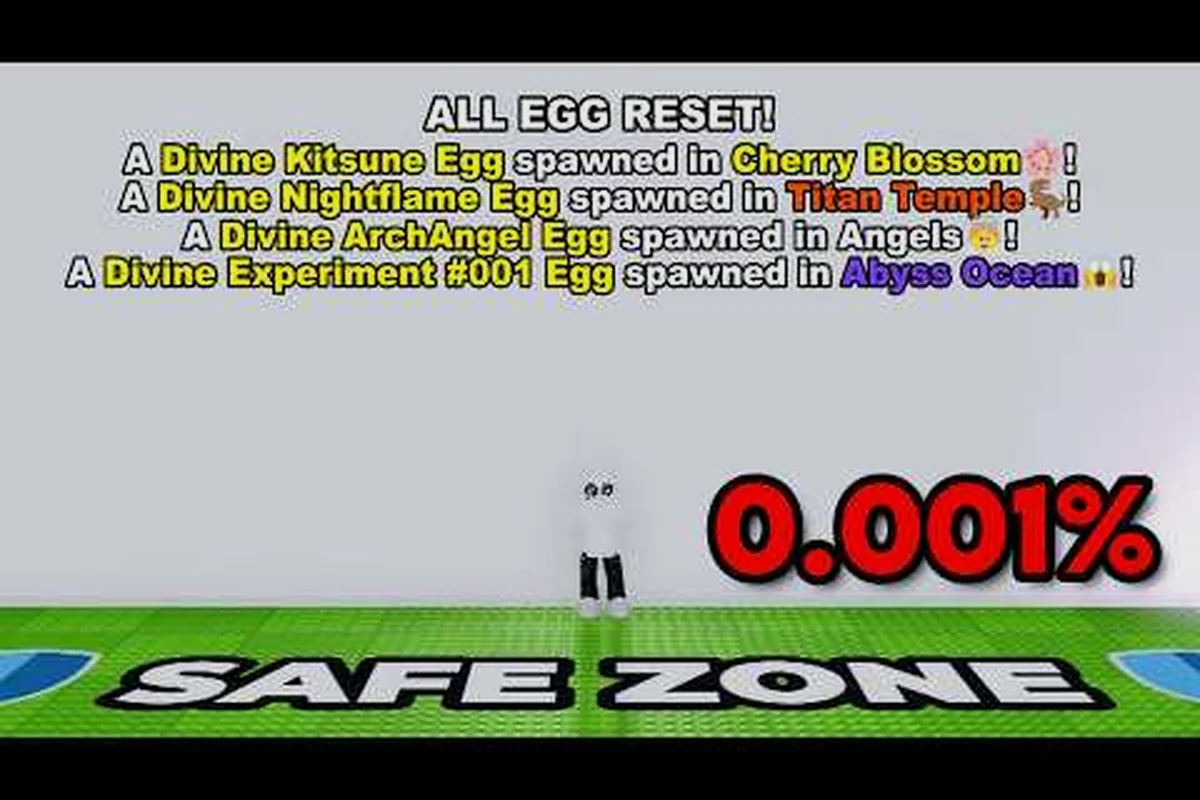
Understanding Steal Animal Egg egg worth before you spend a single coin changes how fast your collection grows, because every egg in the shop carries a different return profile that is not obvious from its price tag alone. Players who treat the egg store as a flat menu of random chances tend to burn through currency on flashy premium eggs, while players who map out the actual Steal Animal Egg egg values against hatch rates and resale potential build inventories that compound quickly. This guide breaks down the egg shop economy, the premium egg tier, and the Robux egg options so you can decide which purchases actually pay back their cost. egg values against hatch rates and resale potential build inventories that compound quickly. This guide breaks down the egg shop economy, the premium egg tier, and the Robux egg options so you can decide which purchases actually pay back their cost, and if you’re hunting rarer inventory, the Steal Animal Egg Extinction Eggs breakdown shows which limited eggs are worth targeting before they rotate out of the shop.
How the Egg Shop and Egg Store Pricing Works
The Steal Animal Egg egg shop is built around a simple tension: cheaper eggs hatch common pets more often, while expensive eggs promise rare outcomes but drain your balance much faster. Community testing across the current patch shows that the egg store does not use a flat probability curve, which means two eggs with similar prices can deliver very different long-term value depending on their mutation windows and biome tags. Reading the Steal Animal Egg egg values correctly therefore requires looking at three numbers at once: the purchase price, the base hatch pool, and the average resale value of the pets inside.
The baseline economy in the egg shop follows a predictable structure. Standard eggs sit in the low-cost bracket, biome-specific eggs occupy the middle tier, and premium eggs command the highest coin prices because they gate exclusive pets that cannot appear anywhere else. According to community data, the cheapest starter eggs usually hover around 100 to 250 coins, while mid-tier biome eggs range from 500 to 1,500 coins depending on the region. Premium eggs often start at 2,500 coins and climb sharply from there, which makes them a poor early purchase unless you already have a stable grinding route.
| Egg Tier | Typical Coin Cost | Base Hatch Pool | Best Use Case |
|---|---|---|---|
| Starter Egg | 100–250 coins | 5–8 common pets | Early collection filler |
| Biome Egg | 500–1,500 coins | 8–12 mixed pets | Targeted region unlocks |
| Premium Egg | 2,500+ coins | 6–10 rare pets | Late-game exclusive hunting |
| Robux Egg | 49–199 Robux | 8–15 premium pets | Guaranteed rare or better |
The egg store also rotates certain stock on a timer, so an egg that is available today may disappear for a week or longer. This rotation matters because it creates temporary scarcity around specific Steal Animal Egg egg values, and players who save coins for a returning premium egg often get better results than those who spend immediately on whatever is in stock. Tracking the shop reset timer is one of the cheapest ways to improve your purchasing efficiency without changing your grinding habits at all.
Comparing Steal Animal Egg Egg Values Across Tiers
Not all expensive eggs are worth their price, and not all cheap eggs are filler. The real Steal Animal Egg egg worth comes down to expected value per coin spent, which you can estimate by multiplying each pet's drop chance by its resale price and summing the results. Community reports suggest that some mid-tier biome eggs actually outperform premium eggs on this metric because their pet pools contain a few high-demand creatures that sell well on the trade market, while premium eggs sometimes dilute their pool with cosmetic variants that do not hold resale value.
Starter and Biome Egg Value Profiles
Starter eggs look weak on paper because their hatch pool is full of common pets, but their low cost means you can open dozens of them for the price of one premium egg. This volume approach matters because every hatch also rolls a small mutation chance, and mutation odds are independent of the egg tier. A player who opens 20 starter eggs will see more total mutation rolls than a player who opens one premium egg, which means the cheap eggs can sometimes produce a rare mutated pet that sells for far more than the entire batch cost.
Biome eggs occupy the most interesting position in the Steal Animal Egg egg values chart because they combine affordable pricing with region-locked pets. The desert, jungle, snow, and volcano eggs each contain pets that cannot hatch from starter eggs, and some of those pets are required for collection milestones or trade requests. Players who focus on one biome at a time tend to complete their region sets faster, and completed sets often unlock bonus rewards that effectively refund part of the egg cost.
| Egg Type | Average Resale per Hatch | Coin Cost | Estimated Payback Rate |
|---|---|---|---|
| Starter Egg | 80–120 coins | 150 coins | Moderate, volume-dependent |
| Forest Egg | 400–700 coins | 800 coins | High with mutation luck |
| Desert Egg | 500–900 coins | 1,000 coins | High for set completion |
| Premium Egg | 1,200–2,000 coins | 2,500 coins | Low unless exclusive pet hits |
The payback rate column above is based on community testing and may vary by platform, but the pattern holds across most reported sessions: biome eggs deliver the most consistent return, while premium eggs are a gamble that only pays off when you land a specific exclusive pet. If your goal is steady collection growth, the middle tier is where most of your coins should go.
Premium Eggs and Robux Eggs: Are They Worth the Cost?
Premium eggs and Robux eggs sit at the top of the egg store hierarchy, and they are the most misunderstood purchases in the game. The Steal Animal Egg premium eggs are not simply better versions of standard eggs; they are gateways to exclusive pets that cannot be obtained any other way, which means their value is tied to how much you care about those specific creatures. If you are a completionist, premium eggs are eventually mandatory. If you are a value-focused player, they are often a trap until you have exhausted cheaper options.
Premium Egg Value Breakdown
The premium egg tier in the egg shop typically guarantees a rare pet or better, which sounds impressive until you check the actual pool. Community data shows that premium eggs often contain six to ten possible pets, and only one or two of those are true exclusives with high trade value. The rest are reskins or slightly boosted versions of pets you can already hatch from biome eggs, which means the guaranteed rare tag does not always translate into guaranteed profit.
The Steal Animal Egg premium eggs also interact with the mutation system in a specific way. Because premium eggs cost so much, each individual egg represents a larger coin commitment, but the mutation chance per egg does not scale up proportionally. A player who spends 2,500 coins on one premium egg gets one mutation roll, while a player who spends the same amount on ten biome eggs gets ten rolls. This is why premium eggs are best saved for targeted exclusive hunting rather than general collection building.
Robux Egg Value and Purchase Strategy
Robux eggs are the only eggs in the store that require real currency, and their value proposition is completely different from coin eggs. The Steal Animal Egg robux eggs usually guarantee a premium pet or better, and some bundles include bonus items like speed boosts or exclusive accessories that coin eggs never offer. According to community reports, the Robux egg pool is smaller and more curated than the coin premium pool, which makes the guaranteed outcome more predictable.
The main question with Robux eggs is whether any digital pet is worth real money, and that answer depends entirely on your budget and goals. Players who treat Robux eggs as a way to skip the coin grind can save hours of farming, but players who enjoy the progression loop may find that buying their way to the top removes the fun. A reasonable middle ground is to wait for Robux egg bundles that include bonus currency or limited-time pets, because those bundles offer more total value than a standalone Robux egg purchase.
| Purchase Option | Currency | Guaranteed Outcome | Best For |
|---|---|---|---|
| Standard Premium Egg | 2,500+ coins | Rare or better | Exclusive coin pet hunting |
| Robux Egg | 49–199 Robux | Premium or better | Skipping coin grind |
| Robux Bundle | 199–499 Robux | Premium + bonus items | Maximum value per Robux |
| Biome Egg Pack | 3,000–5,000 coins | 3–5 biome eggs | Efficient region farming |
The Robux egg store also rotates its stock less frequently than the coin shop, which means limited Robux eggs can disappear for long stretches. If a Robux egg contains a pet you specifically want, the window to buy it may not return for months, so tracking those rotations is more important for Robux purchases than for coin purchases.
Building a Spending Plan Around Egg Worth
The most effective way to use Steal Animal Egg egg worth data is to build a spending plan that sequences your purchases instead of reacting to whatever looks appealing in the moment. Players who follow a loose priority order tend to accumulate pets faster and waste fewer coins on redundant hatches, because each purchase has a clear job in the overall collection strategy. The plan below reflects community consensus on the most efficient ordering, though your personal goals may shift the priorities.
Step-by-Step Purchase Priority
Start with starter eggs until you have at least one pet from every common slot in your collection, because those early hatches fill the cheapest gaps and give you a baseline of tradeable creatures. This phase should cost less than 1,000 coins total and sets up the rest of your progression.
Move into biome eggs once your common collection is mostly complete, and focus on one biome at a time rather than spreading purchases across every region. Completing a biome set often unlocks a bonus reward, and those bonuses effectively reduce the cost of every egg you bought for that set.
Save premium eggs for after you have completed at least two biome sets, because by that point you will know which exclusive pets you actually want instead of buying premium eggs blindly. The premium egg pool is small enough that targeted hunting works, but only if you have a specific target in mind.
Consider Robux eggs only after you have decided that the time saved is worth the real money, and prefer bundles over standalone eggs whenever possible. Robux purchases cannot be refunded, so the decision should be deliberate rather than impulsive.
| Phase | Purchase Focus | Approximate Budget | Goal |
|---|---|---|---|
| 1 | Starter eggs | Under 1,000 coins | Fill common slots |
| 2 | One biome egg set | 3,000–6,000 coins | Complete region bonus |
| 3 | Second biome egg set | 3,000–6,000 coins | Expand trade options |
| 4 | Targeted premium eggs | 5,000+ coins | Hunt specific exclusives |
| 5 | Robux bundle | Real currency | Skip grind or collect limiteds |
This phased approach works because it respects the actual Steal Animal Egg egg values instead of chasing the most expensive option at every step. The egg shop rewards patience, and the players who grow their collections fastest are usually the ones who treat each purchase as part of a longer sequence rather than an isolated gamble.
How Egg Worth Connects to Mutations and Grinding Routes
Egg worth does not exist in a vacuum, because the same egg can be worth much more or less depending on how you interact with the mutation system and where you choose to farm coins. The mutation chances article on this site explains the full probability breakdown, but the short version is that every hatch rolls an independent mutation chance, and mutated pets sell for significantly more than their normal counterparts. This means an egg with a mediocre base pool can still deliver strong returns if you open enough of them to trigger mutations.
Your coin income also shapes which eggs are actually affordable, and the grinding route you choose determines how many eggs you can open per session. Players who optimize their route around high-density egg spawns can afford premium eggs much sooner than players who wander between biomes without a plan, because the coin difference per hour is substantial. The egg grinding route guide covers the most efficient paths, and pairing that route knowledge with the egg worth data here creates a complete purchasing strategy.
The biome-specific egg guide is also worth checking if you want to understand which region eggs contain which pets, because the desert, jungle, snow, and volcano pools are not interchangeable. Knowing the exact pet lists for each biome egg lets you target the creatures you actually need instead of buying eggs from every region and hoping for the best. When you combine biome knowledge, mutation odds, and the Steal Animal Egg egg values outlined above, every coin you spend has a clear expected return.
Frequently Asked Questions
What is the best egg to buy for a new player?
Starter eggs are the best first purchase because they cost under 250 coins and fill your common collection slots quickly. Open them until you have one pet from each common slot, then transition to biome eggs. Premium eggs are a poor early purchase because their high cost slows your overall progression.
Are premium eggs worth the coin cost?
Premium eggs are worth it only when you are hunting a specific exclusive pet that cannot hatch from cheaper eggs. Their guaranteed rare tag does not always translate into profit because the pool often includes reskins of pets you already own. Save premium eggs for targeted late-game purchases.
Do Robux eggs guarantee better pets than coin eggs?
Robux eggs usually guarantee a premium pet or better, which is a stronger floor than most coin eggs offer. The Robux pool is also smaller and more curated, making outcomes more predictable. However, the real-money cost means you should only buy Robux eggs when the time saved justifies the price.
How do I calculate egg worth before buying?
Multiply each pet's drop chance by its resale value, then sum the results to get the expected value per hatch. Compare that number against the egg's purchase price. Community data shows biome eggs often outperform premium eggs on this metric because their pools contain high-demand tradeable pets.
Does the egg shop stock rotate over time?
Yes, the egg store rotates certain stock on a timer, and some eggs disappear for a week or longer before returning. This creates temporary scarcity around specific Steal Animal Egg egg values. Tracking the rotation schedule helps you save coins for returning premium eggs instead of spending on whatever is currently available.